Primary education in Prescott AZ is at a crossroads. Many families want something more than crowded classrooms, rushed instruction, and a one-size-fits-all approach. Parents are noticing that the traditional model often leaves children overwhelmed, unseen, or simply not excited about learning. It’s no surprise that interest in more personal, relationship-centered schooling has grown in Prescott and Prescott Valley.
Whether you’re researching preschool Prescott, AZ, looking for an alternative elementary school in Prescott Valley, or exploring options beyond traditional day care Prescott or day care Prescott AZ, one theme keeps coming up: families want an educational environment where their child is known, supported, and encouraged to grow at a pace that feels right for them.
This shift reflects a deeper truth. Children learn best when they feel safe, connected, and valued as individuals.
The Challenge: Overcrowded Classrooms and Limited Individual Attention
One of the biggest concerns parents share is the size of traditional classrooms. In many schools, a single teacher may manage 25 to 35 students at once. Even talented educators struggle to give each child the time, encouragement, and guidance they deserve.
Overcrowded settings often lead to:
- Less time for one-on-one instruction
- Increased stress for students
- More behavioral challenges
- Limited opportunities for creative or hands-on learning
- Fewer chances for teachers to truly understand each child’s strengths
In early childhood settings, such as preschool Prescott, AZ, this lack of personal attention can impact foundational skills like communication, cooperation, and emotional self-regulation. These early years matter, and children thrive when adults have time to slow down and connect with them.
Why Emotional and Social Development Must Come First
Academic skills are important, but they develop best when children feel grounded emotionally. Parents in Prescott and Prescott Valley consistently ask for environments that emphasize empathy, communication, confidence, and curiosity. These qualities can’t be rushed or squeezed between test prep and worksheets.
A personal approach to primary education creates space for:
- Healthy peer relationships
- Conflict resolution practice
- Mentorship across age groups
- Stronger teacher-student bonds
- Opportunities for leadership and collaboration
This is especially important in the elementary years. Research consistently shows that emotional intelligence predicts long-term academic success, problem-solving ability, and resilience. When children feel seen and supported, they are more willing to take risks, ask questions, and engage deeply in learning.
Why Many Families Are Exploring Alternatives
Across Prescott, more parents are looking beyond traditional schools and even beyond the typical day care Prescott or early learning center. They want an approach that combines academic rigor with creativity, outdoor learning, project-based experiences, and strong community values.
This is where alternative models, such as microschools, are rising in popularity.
Parents often share three reasons they start searching for an alternative elementary school Prescott Valley or alternative programs in Prescott:
- Their child is not getting the individual support they need.
- Traditional homework or testing culture doesn’t match their child’s learning style.
- Their child thrives with hands-on, real-world learning rather than passive instruction.
These families aren’t rejecting education. They’re searching for education that fits.
The Microschool Model: Personal, Calm, and Connected
While there are many educational options available, micro schools offer something unique for families seeking a more personal experience.
Micro schools typically feature:
- Small class sizes (often 8–12 students)
- Multi-age classrooms that encourage mentorship
- Strong relationships between students and teachers
- Hands-on, project-based learning
- Integration of arts, creativity, and outdoor exploration
- A calm environment where children can focus and feel comfortable
Most importantly, a microschool environment gives teachers the time and space to truly understand each child. Learning becomes interactive, flexible, and connected to real life.
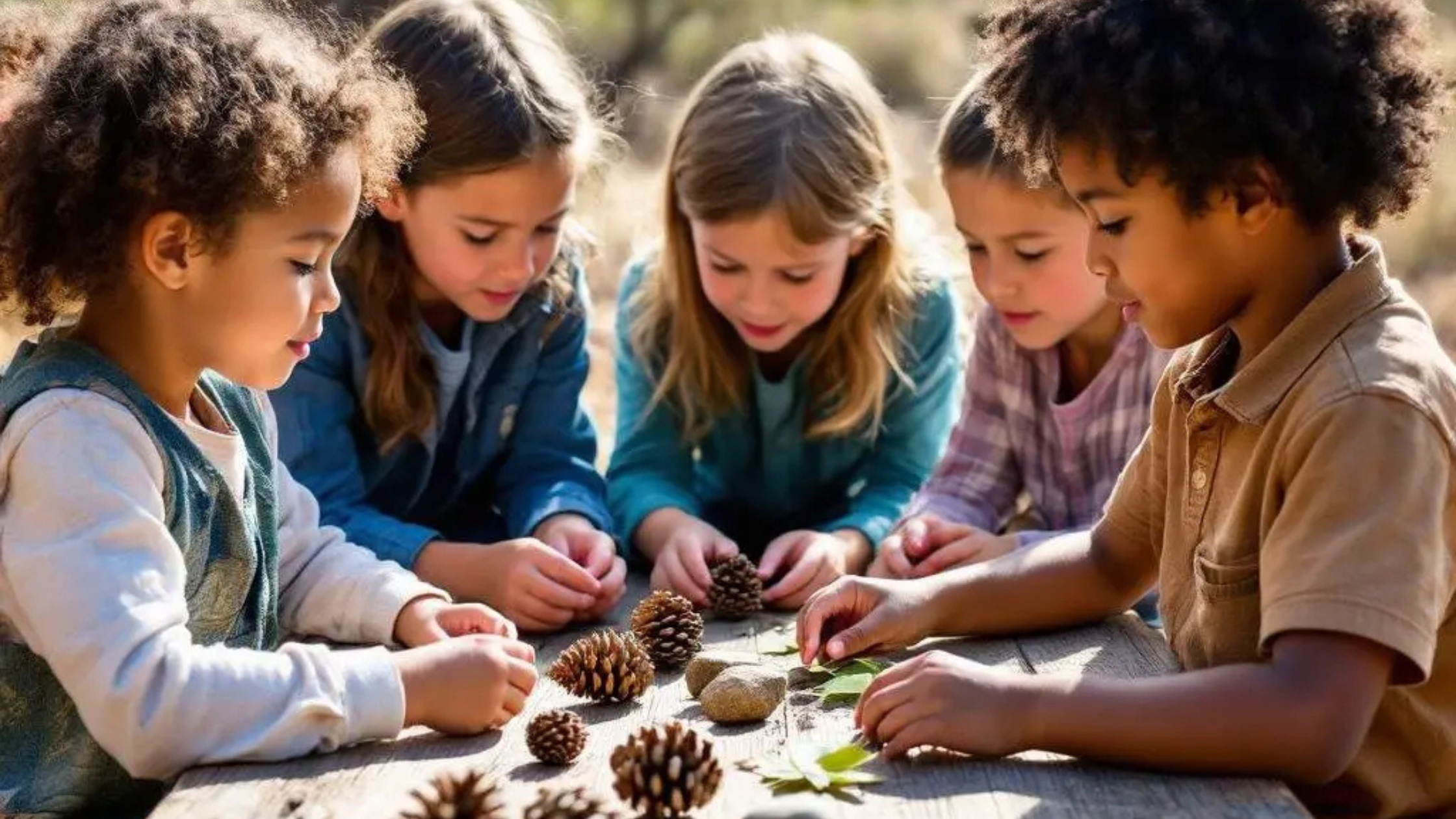
For example, a science lesson might include spending time outdoors, collecting samples, or collaborating on a project. A literacy lesson might involve creative storytelling or research tied to a community experience. Children stay engaged because the learning feels meaningful.
This approach aligns closely with what modern families want: a balanced education that values both academic growth and personal growth.
Why a Personal Approach Matters in Prescott
Prescott is a community that values nature, creativity, and strong connections. Families who move here often prioritize quality of life, time outdoors, and meaningful experiences for their children. A personal approach to primary education fits naturally with this lifestyle.
Parents here are asking for:
- Schools that know their children well
- Opportunities for outdoor learning
- Strong character development
- Creative and hands-on experiences
- Learning that feels relevant, not rushed
- A safe, supportive environment
A personalized model supports these values while preparing students for a changing world. Children learn to collaborate, think critically, solve problems, and develop confidence that goes beyond academics.
Moving Toward a More Personal Future for Prescott Children
As more families explore preschool options, early childhood programs, and alternative elementary schools, the conversation around education in Prescott continues to shift. Parents want more than supervision or academic pressure. They want teachers who see their child’s potential and help them grow into capable, curious learners.
The future of primary education in Prescott AZ is personal, relational, and community-driven. And that benefits every child.
Call 928-541-7700 now or visit the campus to experience the Mountain Oak difference. Enrollment for the upcoming year is open, but with limited capacity, families who tour early have the best opportunity to secure a spot. Your child deserves an education designed around them, not around managing large groups.
FAQs
1. Why are small class sizes important in primary education?
They allow teachers to give more one-on-one attention, build stronger relationships, and support each child’s unique learning needs.
2. How is a microschool different from a traditional school?
Microschools are smaller, more personal, and often use hands-on, project-based learning with multi-age classrooms.
3. Does a personal approach help with emotional development?
Yes. When children feel known and supported, they build confidence, communication skills, and emotional resilience.
4. Are alternative schools in Prescott suitable for all learning styles?
Many families find that flexible, creative environments better support children who learn differently or need more individualized attention.
5. How can parents explore primary education options in Prescott AZ?
Visit local schools, ask about class sizes, observe the learning environment, and explore programs like Mountain Oak Community School.