Many parents sense that education should be about more than test scores and worksheets. They want their children to feel confident, curious, capable, and supported as whole people. This is where whole-child education comes in.
Whole-child education is an approach that nurtures not just academic skills, but also emotional growth, creativity, social development, and practical life skills. For families exploring primary education in Prescott AZ, or searching for a microschool in Prescott or the best kindergarten in Prescott, understanding this model can help clarify what meaningful learning truly looks like.
What Does Whole-Child Education Mean?
Whole-child education focuses on developing every aspect of a child. This includes intellectual growth, emotional wellbeing, social skills, physical development, and creativity.
Rather than separating academics from life skills, whole-child education integrates them. Children learn math, reading, and science alongside collaboration, problem solving, self-awareness, and resilience. Learning is connected to real experiences so children understand not just what they are learning, but why it matters.
This approach recognizes that children learn best when they feel safe, engaged, and valued.
How Whole-Child Education Looks in Practice
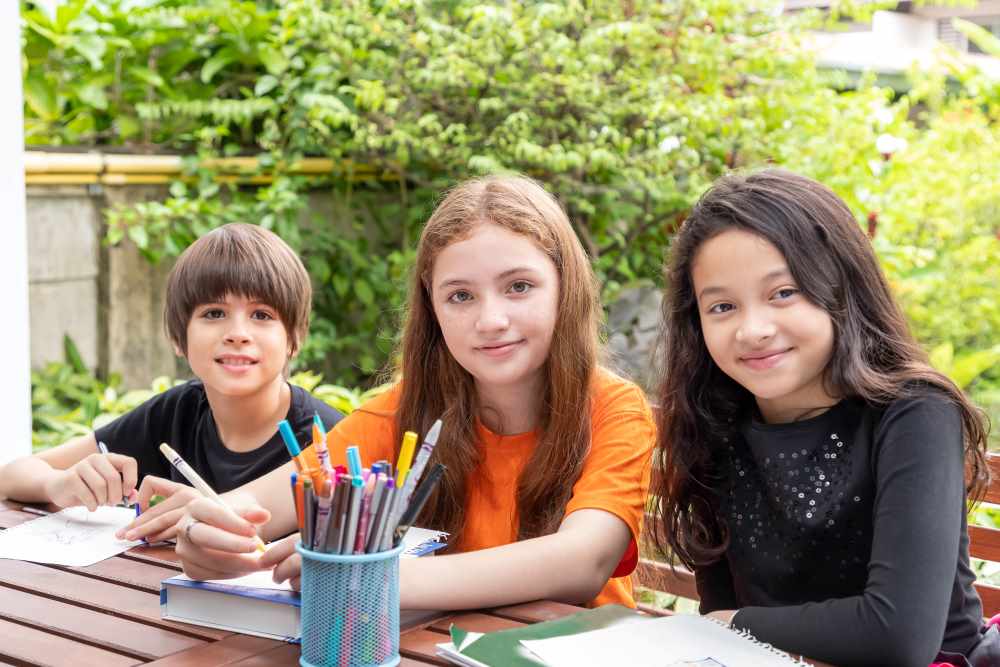
In a whole-child classroom, learning is active and purposeful. Children work on projects, explore ideas through hands-on activities, and have opportunities to express themselves through art, movement, and discussion.
Teachers observe closely and respond to individual needs. Lessons are adapted to support different learning styles and developmental stages. Small class sizes, often found in a microschool in Prescott, make this individualized attention possible.
The goal is not to rush children through content, but to help them build strong foundations for lifelong learning.
Why Emotional and Social Growth Matters
Academic success is closely tied to emotional and social development. Children who can manage emotions, communicate clearly, and work well with others are better prepared to learn and adapt.
Whole-child education prioritizes emotional intelligence. Children learn to recognize feelings, resolve conflicts, and develop empathy. These skills are practiced daily through group work, reflection, and guided social interactions.
For families seeking an alternative elementary school in Prescott Valley, this focus often makes the difference between a child simply coping and a child truly thriving.
The Role of Creativity and Curiosity
Creativity is not an extra. It is essential to learning. Whole-child education encourages children to explore ideas, ask questions, and experiment without fear of failure.
Through art, storytelling, building, and open-ended projects, children develop flexible thinking and confidence in their ideas. Curiosity becomes the driving force behind learning, rather than pressure or rewards.
This approach is especially valuable in early years and kindergarten. Families searching for the best kindergarten in Prescott often find that creativity-based learning supports smoother transitions into formal academics.
Academic Learning in a Whole-Child Model
Whole-child education does not replace academics. It strengthens them. Children still learn reading, writing, math, and science, but in ways that are meaningful and connected.
Hands-on experiences help children understand concepts deeply. Instead of memorizing facts, they apply knowledge through real tasks. This leads to stronger comprehension, better retention, and more confident learners.
In primary education in Prescott AZ, this balanced approach supports both academic readiness and personal growth.
Why Families Are Choosing Microschools
Microschools in Prescott are gaining attention because they naturally support whole-child education. Smaller class sizes allow teachers to know students well and tailor learning accordingly.
Families often choose microschools for their flexibility, strong community relationships, and focus on the individual child. Whole-child education fits seamlessly into this model because it values depth over speed and connection over standardization.
For many families, this environment feels more human and more aligned with how children actually learn.
What to Look for in a Whole-Child School
Parents exploring schools should look beyond test scores and curriculum lists. Ask how the school supports emotional growth, creativity, and social skills.
Observe classrooms if possible. Are children engaged and curious. Do teachers encourage questions and reflection. Is learning connected to real life.
A strong whole-child school can explain how academics, creativity, and wellbeing work together to support each child’s development.
Long-Term Benefits of Whole-Child Education
Children educated through a whole-child approach often develop strong self-confidence, adaptability, and a love of learning. They are better equipped to handle challenges and think critically.
These students tend to be motivated learners who understand themselves and their strengths. They are prepared not only for future academic success, but also for meaningful participation in their communities.
Whole-child education builds learners who are capable, compassionate, and curious about the world.
Frequently Asked Questions
What is whole-child education in simple terms?
Whole-child education is an approach that supports a child’s academic, emotional, social, and creative development together. Instead of focusing only on test scores, it helps children build confidence, curiosity, and life skills alongside strong academic foundations.
Is whole-child education academically strong?
Yes. Whole-child education strengthens academics by teaching concepts through meaningful experiences. Children apply reading, math, and science skills in real contexts, which improves understanding, retention, and critical thinking compared to rote learning alone.
How is whole-child education different from traditional schooling?
Traditional schooling often prioritizes standardized outcomes and pace. Whole-child education focuses on the individual child, integrating academics with emotional growth, creativity, and social skills. Learning is more personalized, hands-on, and connected to real life.
Is whole-child education a good fit for kindergarten and early grades?
Whole-child education is especially effective in kindergarten and early grades. Young children benefit from learning that supports emotional regulation, curiosity, and creativity while gradually building academic skills in developmentally appropriate ways.
Visit Mountain Oak Community School
If you are exploring an alternative elementary school in Prescott Valley, a microschool in Prescott, or a supportive option for primary education in Prescott AZ, we invite you to visit Mountain Oak Community School.
📍 Address: 1455 Willow Creek Road, Prescott, AZ 96768
📞 Phone: 928-541-7700
📧 Email: info@mountainoak.obus.io
🌐 Website: www.mountainoakschool.org
Come see how whole-child education creates confident, curious learners through meaningful, connected learning experiences.