In today’s world, children aren’t just preparing for tests — they’re preparing for life. And while traditional classrooms often rely on a one-size-fits-all model, many families are discovering something powerful: children thrive when learning feels meaningful, hands-on, and connected to the real world.
At Mountain Oak Community School, we believe personalized and differentiated learning doesn’t happen by accident. It happens by design — and one of the strongest ways to create it is through enrichment-based education.
But what does that actually mean? And why does it work so well?
Let’s explore.
What Is Enrichment-Based Education?
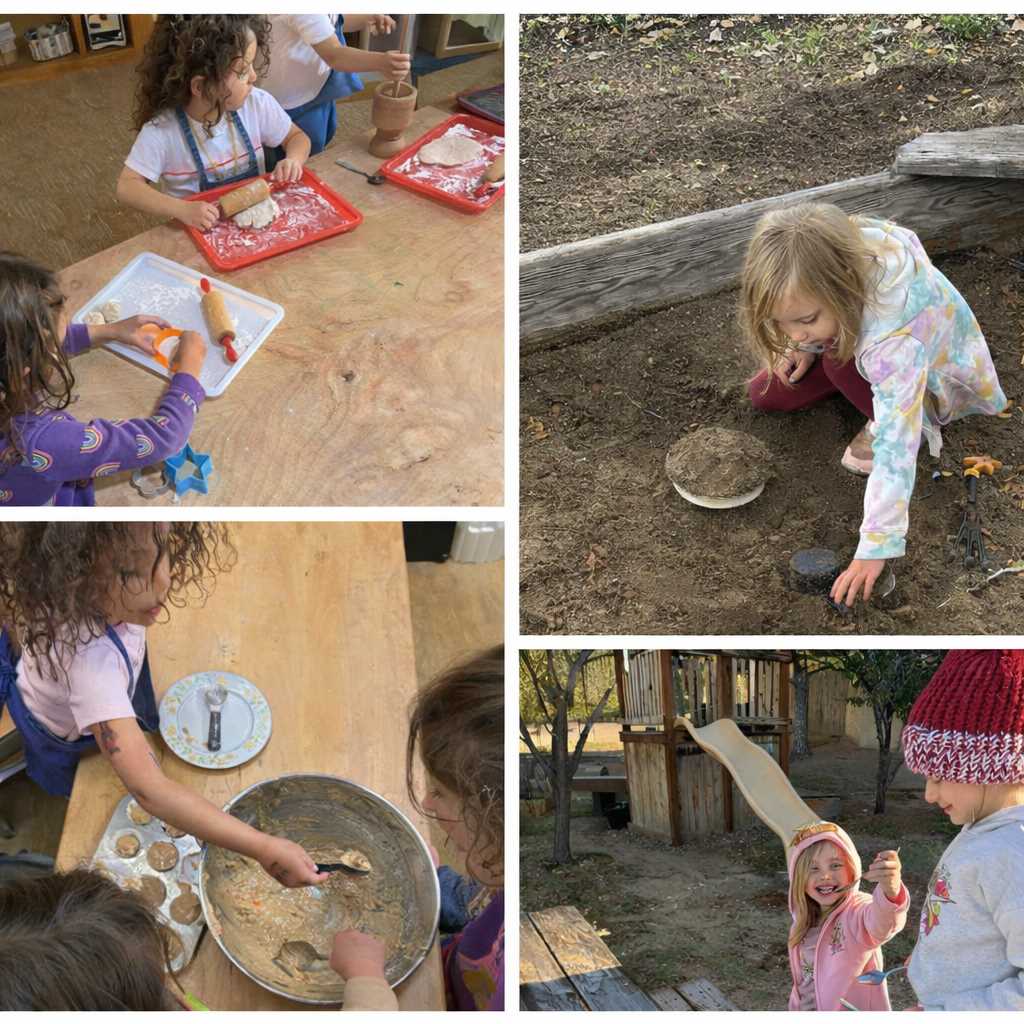
Enrichment-based education goes beyond worksheets and memorization. It includes learning experiences that expand a child’s thinking, creativity, and confidence through:
- hands-on projects
- arts and music
- outdoor exploration
- movement and meaningful work
- real-world problem solving
- community-integrated experiences
- clubs, workshops, and special interest activities
Enrichment is not “extra.” At Mountain Oak, enrichment is often the pathway through which deep learning happens.
The Difference Between “Personalized” and “Differentiated” Learning
These two terms are often used together, but they aren’t the same:
Personalized Learning
This means a child’s learning path is shaped around their unique needs, pace, strengths, and growth areas.
Some students may need:
- more time with foundational skills
- additional challenge and advanced opportunities
- support with confidence or focus
- alternative ways to show understanding
Differentiated Learning
This means students are working toward the same goals, but they may get there through different methods, materials, or levels of support.
Differentiation can look like:
- small group instruction
- hands-on learning instead of only written work
- varied reading levels
multiple ways to demonstrate mastery (writing, speaking, creating, building)
Why Traditional Classrooms Struggle With Differentiation
Most traditional schools aren’t failing because teachers don’t care — they struggle because the system is built for scale, not personalization.
In many classrooms:
- there are 25–35 students in one room
- learning is paced by a fixed curriculum calendar
- instruction is heavily test-driven
- children are grouped strictly by age
- teachers have limited time for individual support
Even the best educators can only do so much within that structure.
This is one reason families begin searching for alternatives.
Why Enrichment-Based Learning Naturally Creates Differentiation
Enrichment-based education works because it gives children more than one way to learn.
Instead of only reading about something, students might:
- build it
- paint it
- act it out
- measure it
- write about it
- discuss it
- observe it in nature
- apply it in a real-world setting
When learning becomes multi-dimensional, it becomes more accessible — and more engaging.
That’s differentiation in action.
How Enrichment Supports Different Learning Styles
Every child learns differently. Some thrive through language. Others need movement. Some are visual thinkers. Others are hands-on problem solvers.
Enrichment activities create space for every learner to succeed, such as:
🎨 Arts
Art strengthens observation, fine motor skills, creativity, and self-expression — and helps students process learning in visual and emotional ways.
🎶 Music & Rhythm
Music supports memory, patterns, listening, and coordination. It also builds confidence and community.
🌲 Outdoor Education
Nature encourages curiosity, calm focus, and sensory learning. Outdoor learning helps students connect knowledge to real environments.
🧩 Hands-On Projects
Projects allow children to experiment, build, and solve problems — ideal for students who learn best by doing.
🤝 Group Collaboration
Social learning builds communication skills, empathy, leadership, and teamwork — essential for real-world success.
Why Enrichment Leads to Deeper Academic Growth
Many parents worry:
“If my child is doing projects and enrichment… are they learning enough academically?”
The answer is: yes — often more deeply.
Here’s why:
When students are engaged, they:
- retain information longer
- ask more questions
- build stronger connections between subjects
- become active learners instead of passive learners
- develop confidence and persistence
Enrichment strengthens academics because it builds the foundation beneath academics:
focus, curiosity, resilience, and meaning.
Mountain Oak’s Model: Small Class Sizes + Enrichment = Real Personalization
At Mountain Oak, our microschool model supports differentiation because we intentionally design for it.
With small class sizes and multi-age classrooms, teachers can:
- meet students where they are
- provide flexible grouping
- adapt lessons based on readiness
- challenge advanced learners without leaving others behind
- offer support without labeling a child as “behind”
This creates a culture where learning feels safe, personalized, and encouraging.
Enrichment Builds Skills That Matter Beyond School
Academic success matters — but so does the kind of person a child becomes.
Enrichment-based learning helps children build:
- confidence
- independence
- problem-solving
- creativity
- collaboration
- emotional resilience
- leadership and responsibility
- communication skills
These are the traits students need to thrive in high school, college, careers, and life.
What It Looks Like in Real Life at Mountain Oak
Enrichment-based education at Mountain Oak might look like:
- students learning fractions through cooking and measuring
- writing stories inspired by seasonal rhythms and nature walks
- science exploration through hands-on experiments and observation
- community-based projects that connect learning to local life
- art and movement woven into daily academics
- Friday enrichment programs like culinary arts, music, and creative projects
This isn’t learning “on the side.”
It’s learning that sticks.
A Better Way Forward for Families Seeking More Than Traditional School
If you’re a parent looking for an alternative to traditional education, you may be searching for a place where your child is:
- seen as an individual
- supported emotionally and academically
- challenged appropriately
- excited to learn again
- part of a community that values growth
Enrichment-based education is one of the most powerful ways to create that kind of experience — and it’s at the heart of what Mountain Oak is built to provide.
Ready to Learn More?
Mountain Oak Community School offers a learning environment where children grow through meaningful academics, enrichment, and connection.
👉 Explore Enrollment
👉 Learn About Our Programs
Frequently Asked Questions
Is enrichment-based learning structured or mostly free play?
It’s structured. Activities are planned with clear learning goals, guided instruction, and age-appropriate routines.
How do enrichment programs help with focus and attention?
Engaging, active learning helps many children stay motivated, participate more, and retain information better.
How does enrichment-based learning support personalized learning?
It gives students multiple ways to learn and show understanding, helping teachers adapt instruction to different strengths and needs.
Is enrichment-based education academically effective?
Yes. It strengthens learning by improving focus, curiosity, and real-world application—often leading to deeper comprehension and retention.
How do non-traditional schools measure progress without frequent testing?
They often use projects, portfolios, teacher observation, presentations, and skill-based assessments to track real growth.
Will my child be prepared for high school after a non-traditional education?
Yes. Strong programs build academic foundations, independence, problem-solving, and confidence—skills that support high school success.