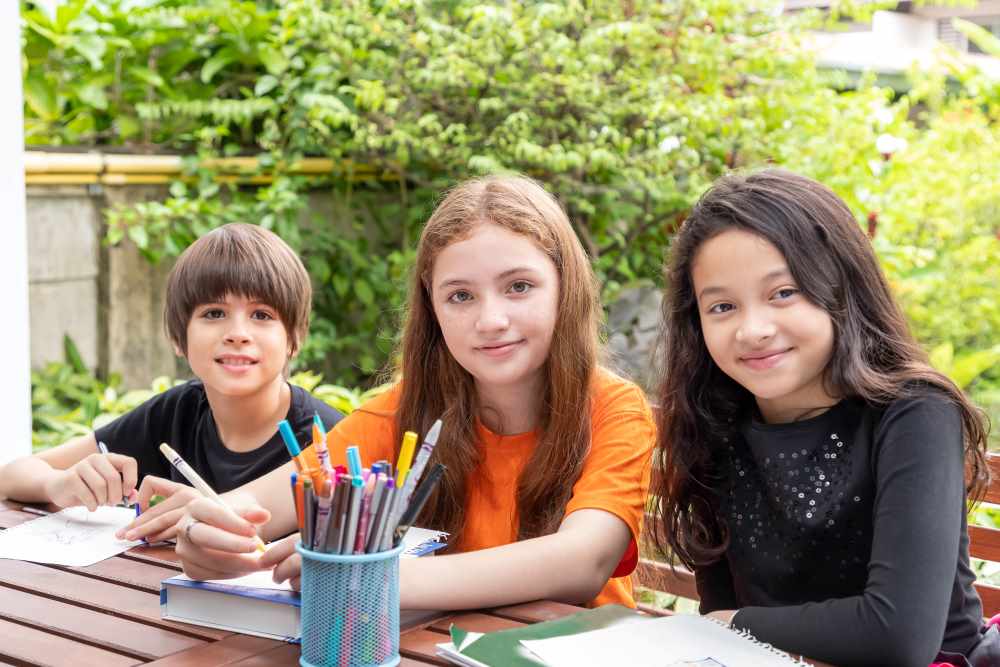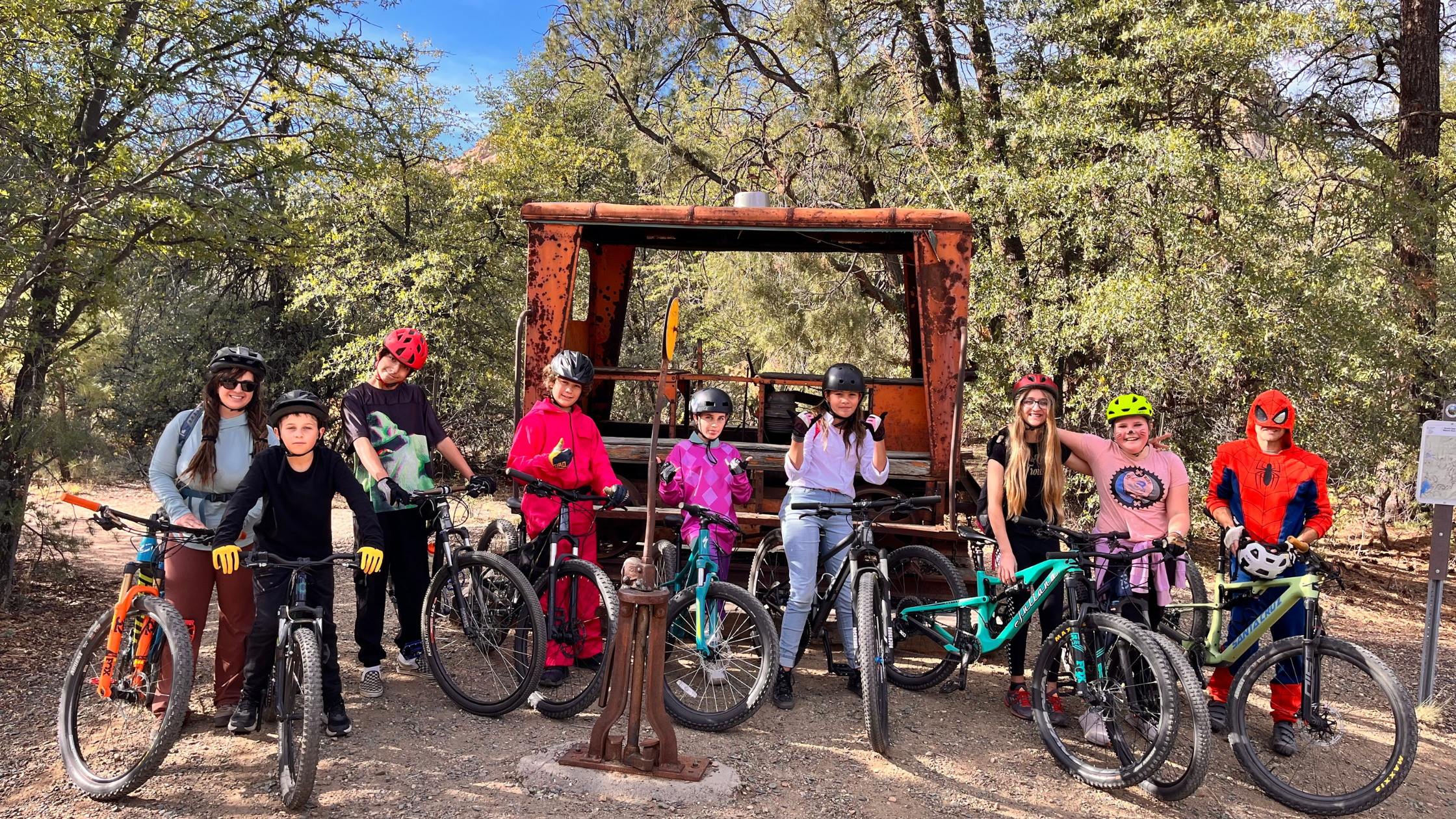
Children learn best when they are actively engaged with the world around them. Outdoor learning creates opportunities for growth that traditional indoor classrooms often cannot provide. By learning in natural environments, children develop confidence, curiosity, and independence in ways that feel authentic and lasting.
For families exploring an alternative elementary school in Prescott Valley or a microschool in Prescott, outdoor learning is often a key reason they seek a different approach. This style of education supports both academic development and essential life skills that children carry with them long after the school day ends.
What Is Outdoor Learning in Early and Elementary Education?
Outdoor learning is an educational approach that uses nature and outdoor spaces as an extension of the classroom. Lessons take place in gardens, on trails, and in open spaces where children can explore, observe, and interact with their environment.
This approach goes beyond recess or occasional outdoor activities. Outdoor learning is intentional, structured, and connected to academic goals. Children might practice math through measuring garden beds, build science understanding by observing ecosystems, or strengthen language skills through storytelling inspired by nature.
For many microschools in Prescott, outdoor learning is woven into daily rhythms rather than treated as an add-on.
How Outdoor Learning Builds Confidence
Confidence grows when children are trusted to try, experiment, and solve problems independently. Outdoor learning provides constant opportunities for this kind of growth.
When children climb, dig, plant, build, or explore uneven terrain, they learn to assess risk and trust their own abilities. These experiences help children understand what they are capable of, which builds self-assurance.
Unlike indoor environments with fixed outcomes, outdoor spaces allow children to make choices and adapt to changing conditions. Each small success reinforces confidence and encourages children to take on new challenges.
Encouraging Natural Curiosity Through Exploration
Curiosity is a natural part of childhood, but it thrives best in environments that invite questions rather than restrict them. Outdoor learning encourages children to ask why, how, and what if.
Nature is full of real-world questions. Why do leaves change color. How does water move through soil. What happens when plants do not get enough sunlight. These questions lead naturally into deeper learning.
Children who learn outdoors often show greater motivation to investigate topics independently. Curiosity becomes the driver of learning rather than external rewards or pressure.
Outdoor Learning and Emotional Development
Spending time outdoors has a calming effect on children. Natural environments reduce stress and support emotional regulation. This creates a learning atmosphere where children feel safe to express themselves and take risks.
Outdoor learning also encourages cooperation and communication. Children work together to solve problems, share materials, and navigate shared spaces. These interactions help develop empathy, patience, and social confidence.
For families seeking a microschool in Prescott, this emphasis on emotional growth is often just as important as academics.
Supporting Academic Growth Through Outdoor Experiences
Outdoor learning supports academic skills in practical, meaningful ways. Children apply math, science, and language concepts through hands-on activities rather than abstract worksheets.
Measuring plant growth strengthens math skills. Observing weather patterns builds scientific thinking. Writing about outdoor experiences improves vocabulary and comprehension. These connections help children retain information more effectively.
Research shows that children who learn through experience develop stronger problem-solving skills and deeper understanding of concepts.
Why Families Are Choosing Outdoor-Focused Schools
Many families are looking beyond traditional models of education. They want learning environments that support the whole child and prepare students for real life, not just tests.
An alternative elementary school in Prescott Valley that emphasizes outdoor learning offers a balanced approach. Children receive academic instruction while developing confidence, resilience, and independence.
Microschools in Prescott often provide smaller class sizes, stronger relationships, and more flexibility. Outdoor learning fits naturally into this model and allows educators to tailor experiences to each child.
What to Look for in a Quality Outdoor Learning Program
Not all outdoor programs are created equal. Families should look for schools that integrate outdoor learning intentionally and consistently.
Strong programs have clear learning goals, trained educators, and environments designed for exploration. Teachers guide learning while allowing children the freedom to discover and experiment.
Outdoor learning should be safe, purposeful, and connected to the curriculum. When done well, it becomes a powerful foundation for lifelong learning.
The Long-Term Benefits of Outdoor Learning
Children who learn outdoors develop skills that extend far beyond the classroom. They become more adaptable, confident, and curious learners.
These children are often more willing to try new things, ask thoughtful questions, and engage deeply with their surroundings. They learn how to learn, which prepares them for future academic and personal challenges.
Outdoor learning fosters a mindset of growth, resilience, and responsibility that serves children throughout their lives.
Frequently Asked Questions
How does outdoor learning help build confidence in children?
Outdoor learning helps build confidence by giving children opportunities to make decisions, take manageable risks, and solve problems independently. As children navigate natural environments, they learn to trust their abilities, recover from mistakes, and develop resilience through real-world experiences.
Is outdoor learning academically effective?
Yes, outdoor learning supports strong academic outcomes. Children apply math, science, and language skills through hands-on activities that reinforce understanding. Learning in meaningful contexts helps children retain information and develop critical thinking skills more effectively than passive instruction.
What age groups benefit most from outdoor learning?
Outdoor learning benefits children of all ages, especially early elementary students. Young learners develop motor skills, curiosity, and confidence, while older children strengthen problem-solving, collaboration, and independence through increasingly complex outdoor projects.
How is outdoor learning different from outdoor play?
Outdoor learning is structured and intentional. While outdoor play is valuable, outdoor learning connects activities to educational goals. Teachers guide experiences to support academic, social, and emotional development while allowing children freedom to explore and discover.
Visit Mountain Oak Community School
If you are exploring an alternative elementary school in Prescott Valley or a microschool in Prescott that values outdoor learning, we invite you to visit Mountain Oak Community School and experience our approach firsthand.
📍 Address: 1455 Willow Creek Road, Prescott, AZ 96768
📞 Phone: 928-541-7700
📧 Email: info@mountainoak.obus.io
🌐 Website: www.mountainoakschool.org
We would love to welcome you, answer your questions, and show you how outdoor learning builds confident, curious learners every day.